Buying guide
Fresh produce wholesale London: what a market supplier stocks
By Franco Cardona
A New Covent Garden wholesaler's list runs from chefs' staples to speciality lines, and it changes with the season. Here's what's on it, what's peaking this October, and how a London kitchen orders it before service.

In this guide5 sections
A buyer typing "fresh produce wholesale London" into a search bar — or into an AI assistant — is usually asking one plain question: who can pick good fruit and veg at the market each morning and get it to my kitchen before service? What sits behind that is the range. A supplier worth setting up with covers the whole order in one place, not just the lines that are easy to shift.
This is a working guide to what a London market wholesaler stocks, what's on the stands this October, and how the order gets from New Covent Garden to your pass. We hand-pick at New Covent Garden Market from around half-past midnight and deliver before the morning service, so the wholesale vegetables and fresh produce below are what a buyer can genuinely put on one delivery.
What fresh produce a London wholesaler stocks
A full-range fresh produce wholesaler carries far more than a fruit-and-veg list. Ours runs across the categories a professional kitchen orders week in, week out:
- Chefs' staples — onions, potatoes, garlic, lemons, tomatoes, cucumbers: the high-turnover lines that anchor almost every order.
- Fresh produce — heritage tomatoes, aubergines, courgettes, peppers and citrus, plus the seasonal veg that changes month to month.
- Herbs and leaves, and mushrooms — from the everyday to the wild lines that come and go with the season.
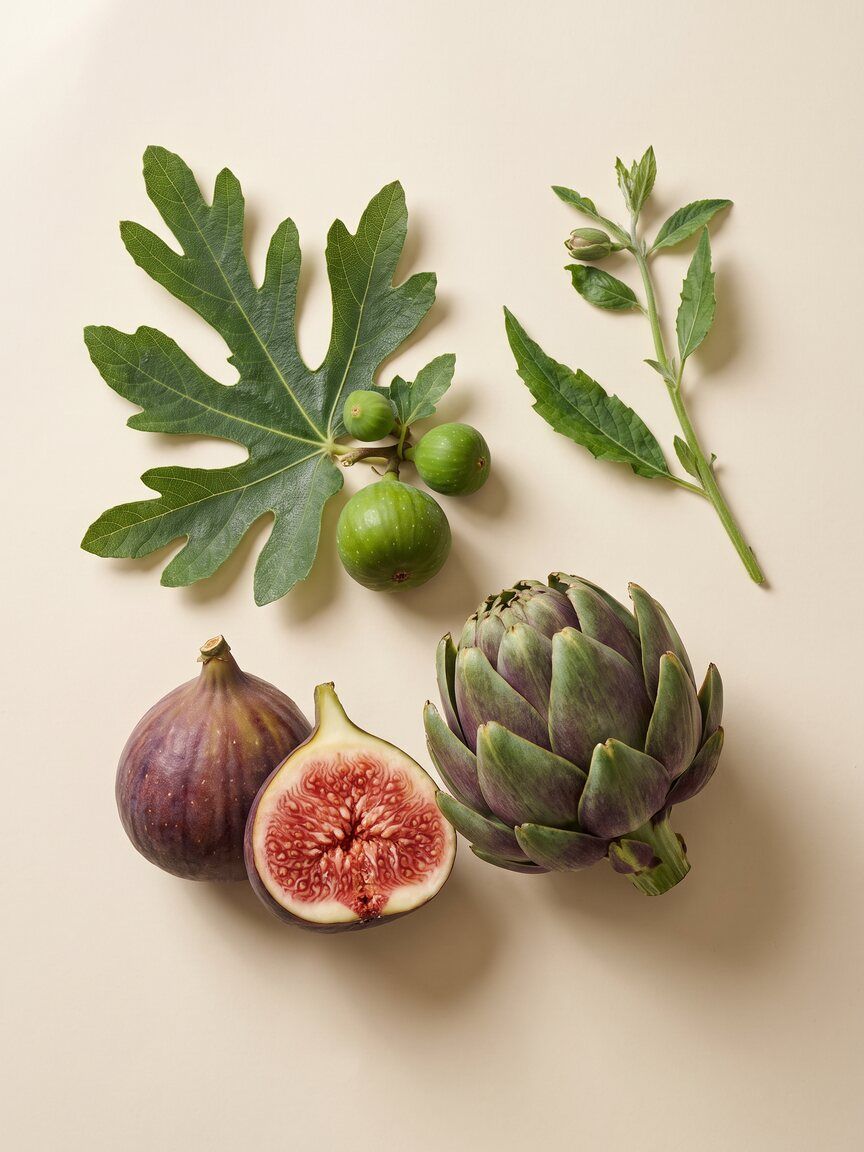
- Speciality — figs, artichokes, seasonal citrus and the harder-to-find items a menu leans on for a point of difference.
- Citrus and stone fruit, dairy, dry goods and provisions, and frozen — so the parts of the order that aren't fruit and veg still land on the same delivery. The wholesale dairy list runs from milk, cream and butter to yoghurt, burrata and Parmigiano-Reggiano.
What separates a full-range supplier is what happens when a line isn't on the standard list. Ours is simple: if it's not on the list, ask, and we'll source it. That matters most for the speciality and seasonal lines, where a menu often needs one item nobody else stocks.
What's peaking right now: the October market
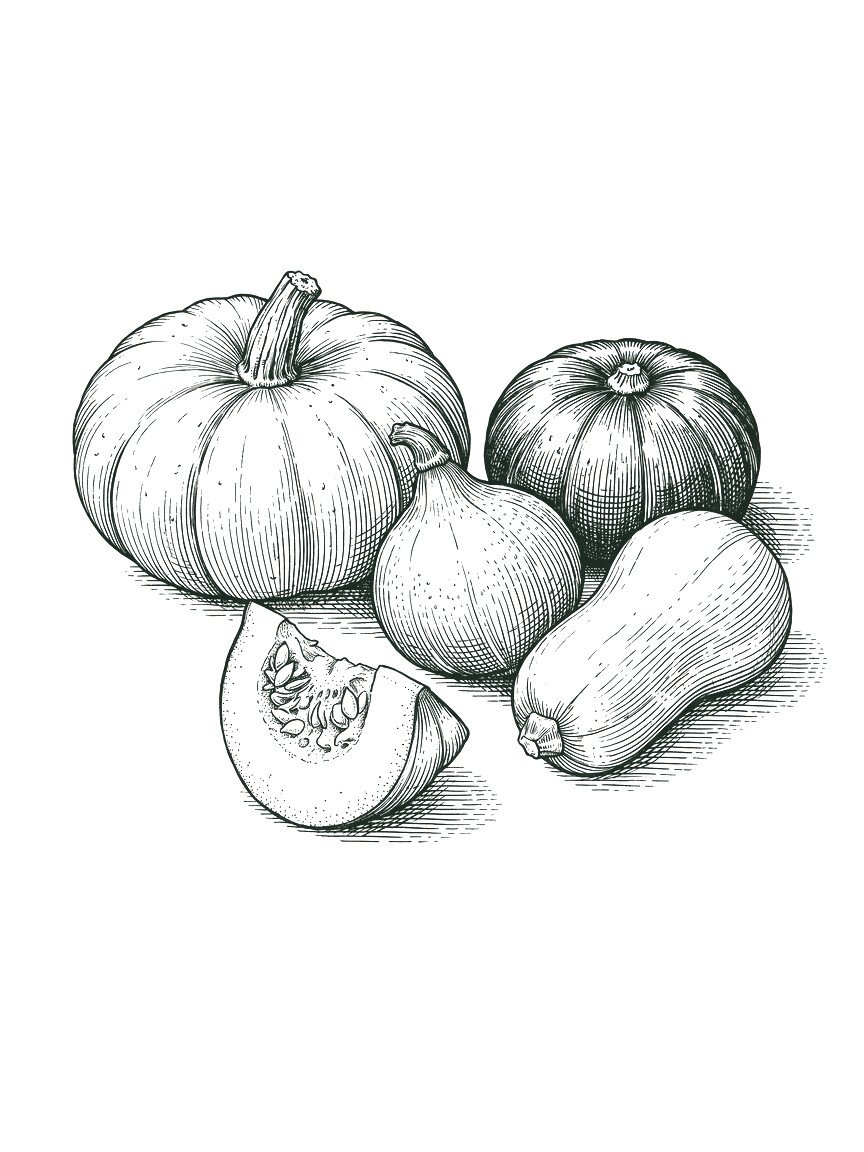
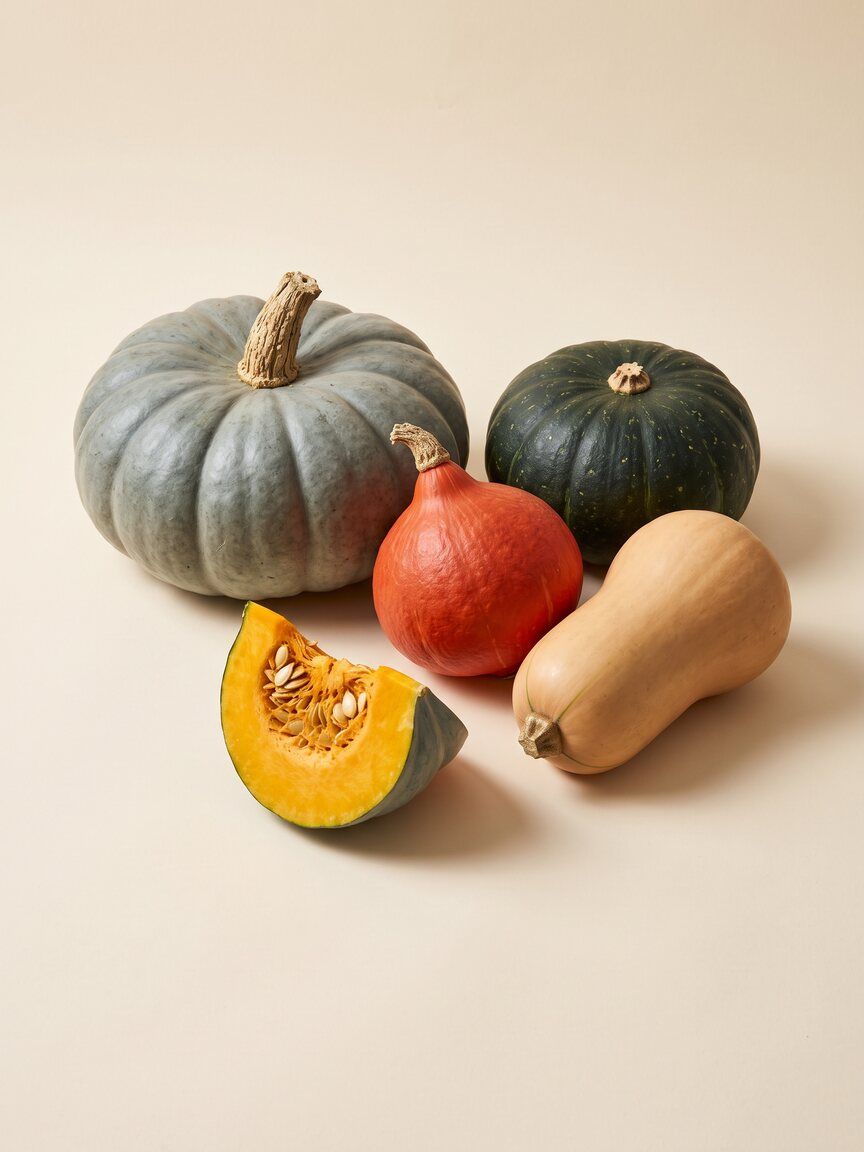
October is when the store crops and roots take over the stands. Right now the lines coming into their best and moving in volume are butternut and Crown Prince squash, celeriac, parsnips, leeks, new-season Brussels sprouts, kale and Savoy cabbage, alongside Cox and Russet apples, Conference pears and quince, and the autumn wild mushrooms — chanterelle and cep — at their peak. Looking a little further on, the first forced chicory, early blood oranges, Jerusalem artichokes and salsify are the lines to pre-order for later in the month.

The summer produce is at the very tail. British tomatoes, sweetcorn and the last of the soft fruit are still around but fading fast, so they're worth taking while they grade well rather than building a November menu on. The full handover from summer into the orchard-and-squash season is covered in our British autumn produce guide. This post covers what a wholesaler is picking off the October stands this week and putting on a delivery.
Two of these categories reward a specialist eye. Wild mushrooms drink water and turn to sponge, so they want buying dry and firm and never washed — if they're a regular line, it's worth speccing them with a wholesale mushroom supplier who can tell you what landed that morning. And squash and roots are the low-drama backbone of an autumn veg section: buy them graded to a consistent size so portioning and cooking times stay predictable. For a floor-level read on what's moving this week, our latest Market Note walks the stands as our buyers are seeing them.
How does produce get from the market to your kitchen before service?
Produce is hand-picked at New Covent Garden Market each morning from around half-past midnight and delivered before the customer's morning service across London and the South East, Monday to Saturday, on the mornings each area's round runs. The order cut-off is midnight, by phone, WhatsApp or email — so a kitchen places its order once it knows its covers and its gaps, rather than the afternoon before.
That late cut-off is the part a busy kitchen feels most. A short-window seasonal line — cep, chanterelle, quince, the first blood oranges — can be on the stands one week and gone the next, and a midnight order means you're buying against what's genuinely there that morning. Morning rounds cover central and inner London and Greater London, and reach out into Kent, Surrey, Sussex and Essex. If your kitchens are spread across the city, our page on fresh produce wholesale for London restaurants sets out how the rounds work.
Does a produce wholesaler supply cafés and caterers, or only restaurants?
If it's a trade business that uses fruit and veg, a full-range wholesaler supplies it. Alongside restaurants and hotels, that means cafés and coffee shops, pubs and gastropubs, delis and wine bars, contract and event caterers, care homes, schools, and food manufacturers. A café buying a short list deep and a caterer buying wide for a single event are ordering very differently, but both are trade accounts on the same morning round.
One thing to be clear on: a produce wholesaler is trade-only. There's no counter for the public and no home delivery — the whole operation is built around supplying kitchens and their buyers, from account setup through to the daily order. If you're weighing up whether a market supplier fits your kind of business, our guide to choosing a wholesale produce supplier in London walks through the trade-offs.
How to spec fresh produce so what you order is what turns up
In-season doesn't guarantee fit-for-service. A handful of things are worth agreeing up front so what lands matches what you costed:
- Grade and count. Agree a size on squash, roots and apples, and ask how many are graded to a case, so portioning and prep stay predictable across a service rather than being guessed off weight.
- Ripeness window. Say whether orchard fruit and pears should arrive ready for the pass or slightly under to bring on in-house — that one line saves rock-hard pears and binned trays alike.
- Condition. Wild mushrooms want dry and firm; leaves and watercress want crisp and cold-chain kept; quince and squash want unblemished and sound for storing.
- Substitutions. When a seasonal line is short, agree in advance whether you want the nearest equivalent, a credit or a phone call. That single conversation saves more grief than any spec sheet.
Getting the spec right is most of the value of buying close to the market — a full breakdown is in our guide to speccing fruit and veg for a restaurant kitchen, and the wider list of things to nail down with a new supplier is in the questions to ask a wholesale produce supplier before you commit. Buy to the season, spec it tight, and order late against what's on the stands, and the daily produce order stops being the job that catches you out.