
In this guide4 sections
British autumn produce arrives in a rush of orchard fruit, nuts and the first stored crops, and late August is the handover: the last summer lines are bowing out while the apples, plums and squash come in. For a chef or buyer, getting the switch right is the difference between a menu that reads tired in September and one that feels bang in season. This is a working guide to what's good to buy now across London and the South East, with the variety and spec notes you actually need when you write an order.
Why buy British autumn produce now
Autumn is the year's most home-grown moment. The English orchard season opens for a short annual window — roughly ten weeks from early September — and it's when the British share of what's on the shelf is at its freshest. Buy into it while it's here and you get flavour that's built, not shipped: fruit picked ripe and moved quickly instead of held in transit and gassed back to life.
There's a food-cost argument too. When a crop peaks, growers have more of it than the market can absorb, so quality climbs and the price drifts down — plums and damsons in particular come in a short, generous glut. The catch is that autumn produce turns over fast and unevenly, so buying close to the source matters. We hand-pick our wholesale vegetables at New Covent Garden Market from around half-past midnight and deliver before morning service, rather than clearing a depot that bought days earlier — which is exactly what a fast-moving seasonal list needs.
What British autumn produce is at its peak right now
Orchard fruit: apples, pears, plums and damsons
The headline act. The first English apples — early varieties like Discovery and Early Windsor — land now, ahead of the mainstay eaters and cookers that carry the season through winter. English pears follow close behind. Plums are at their best in late summer and into early autumn: buy them a touch under-ripe if you want them for the pass later in the week, or ready-to-eat for immediate service.
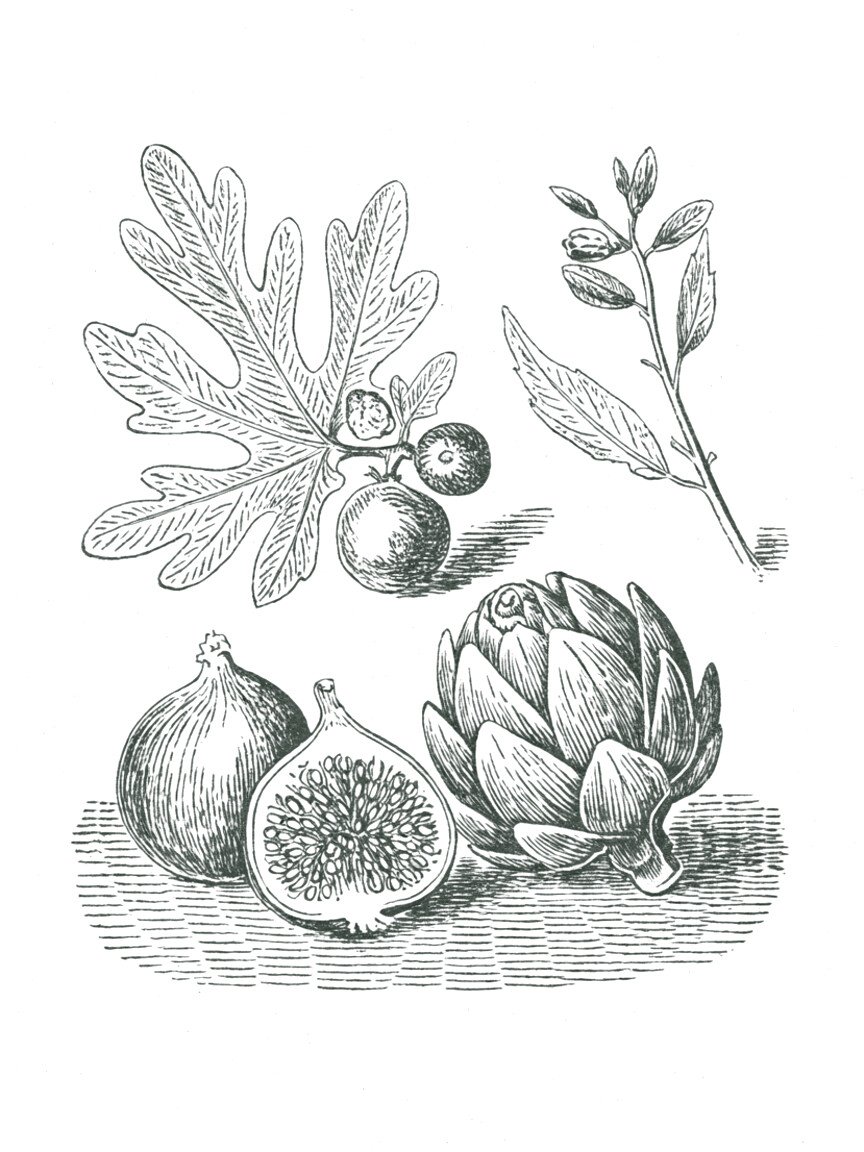
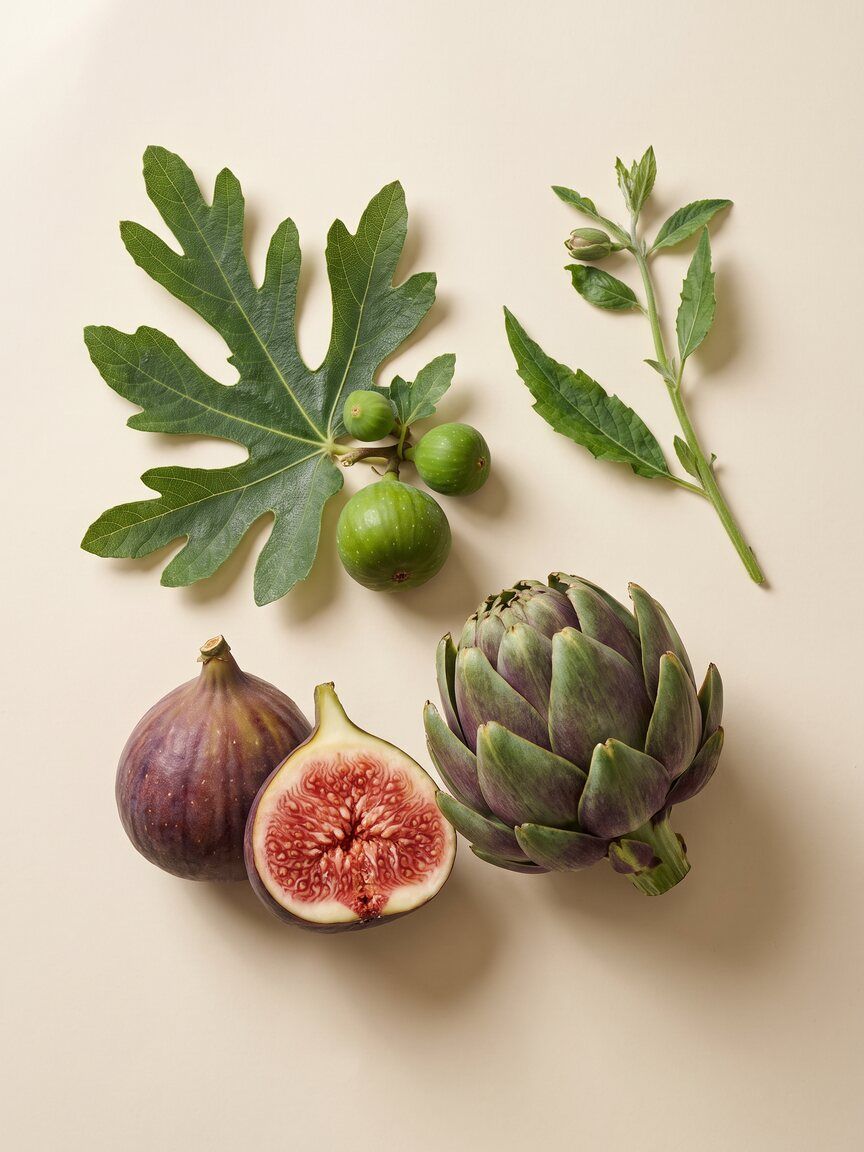
Damsons are the sleeper. Too sharp and tannic to eat raw, they roast down hard with a little sugar into a dark, set compote, or cook into a sauce that cuts through duck and game. They come in a short window and a real glut, so it's a line worth buying while it's cheap and putting up. Ask for firm, unblemished fruit with the bloom still on.
Kentish cobnuts and the nut season
Kentish cobnuts are the most overlooked crop of the British autumn. They're a fresh nut, not a dried one — picked from mid-August, milky and sweet, and eaten raw or barely toasted rather than roasted like a stored hazelnut. The window is short and shuts by October, and being a properly local Kent crop they're a genuine point of difference on a board or folded through a brown butter with sage over squash or game. If you run kitchens out in the county, our guide to sourcing a wholesale fruit and veg supplier in Kent covers the geography and timing that make short-window local lines like this workable.
Squash, roots and the first stored crops
The first autumn squash are in and they earn their place fast — crown prince, onion squash and the harder-skinned types store well, so they're forgiving on a list that has to hold a few days. Maincrop potatoes have taken over from the new-potato season, and the roots that carry autumn and winter — beetroot, carrots, celeriac, parsnips and swede — come into their own as the weather turns. These are your dependable, low-drama lines: buy them graded to a consistent size so portioning and cooking times stay predictable.
Brassicas and autumn greens
Cabbages, cauliflower, kale, cavolo nero and the first sprouting greens are the backbone of an autumn veg section. Worth a word of caution this year: a very dry summer has left UK brassicas tighter and smaller than usual on the market, with more Continental cover filling the gap. That's not a reason to avoid them — it's a reason to forward-book what you know you'll need and take what grades well rather than assuming the usual size and price. Watercress is also excellent now and lifts a plate for very little outlay.
Wild mushrooms
Autumn is peak season for wild mushrooms, and it's the cheapest way to make a menu feel like the time of year. Ceps (porcini) and girolles are the ones to chase — buy them dry and firm, never washed, because a wild mushroom drinks water and turns to sponge. A few shaved raw over pasta or seared hard in a dry pan does more for an autumn dish than any amount of garnish. If mushrooms are a regular line for you, it's worth speccing them with a specialist wholesale mushroom supplier who can tell you what's landing that morning.
What's finishing: summer's last acts
Knowing what's on the way out matters as much as what's coming in. The last English strawberries are past their best now, and broad beans and home-grown garden peas are done for the year — anything still labelled English is at the very tail. British tomatoes, unusually, are still going strong and remain great value into early autumn, so there's no rush to drop them. Sweetcorn is at its brief peak and is best the day it's cut. If you're rebuilding a menu, plan around the handover rather than being caught short: our British summer produce guide covers what's just gone, and this piece picks up where it leaves off.
Spec and grading: what to ask for when you order autumn produce
In-season doesn't automatically mean fit for your service. A few things worth speccing so what lands matches what you costed:
- Ripeness window. Orchard fruit and plums can be bought slightly under-ripe to bring on in-house, or ready for the pass — say which, so you're not serving rock-hard pears or binning a tray that turned overnight.
- Size and count. Agree a grade on squash, roots and apples so portioning and cooking times stay predictable across a service. Ask how many are graded to a box so you can plan prep, rather than guessing off weight alone.
- Condition. For damsons and plums, ask for firm fruit with the bloom on. For wild mushrooms, dry and firm travels; wet and soft doesn't. For leaves and watercress, ask for crisp and cold-chain kept.
- Substitutions. When a line is short — and with the brassicas this autumn, some will be — agree up front whether you want the nearest equivalent, a credit or a call. That single conversation saves more grief than any spec sheet.
If you're setting up with a new supplier this season, the wider list of things worth nailing down is in our guide to the questions to ask a wholesale produce supplier before you commit.
Buying autumn produce well
Two habits make the most of the season. The first is ordering late: a midnight cut-off — ours takes phone, WhatsApp or email — means you place the order once you know your covers and your gaps, not the afternoon before, which matters when a short-window line like cobnuts or damsons might be on the stands one week and gone the next. The second is keeping the order under one roof. Splitting fruit and veg, dairy, dry goods and the odd speciality line across three suppliers means three deliveries to take in during morning prep; one partner who covers chefs' staples, fresh produce, herbs, mushrooms and the seasonal lines — and who'll track down what isn't on the standard list if you ask — takes a job off the pass.
For a floor-level read on what's landing week to week as the season turns, our latest Market Note walks through the apples, cobnuts and brassicas as our buyers are seeing them on the stands. We've run morning rounds out of the market since 2007, Monday to Saturday across London and the South East, on the mornings each area's round runs, so a kitchen that wants the best of the British autumn can order late and still have it in before service.