The Market Note
Home-grown apples & roots are the value now
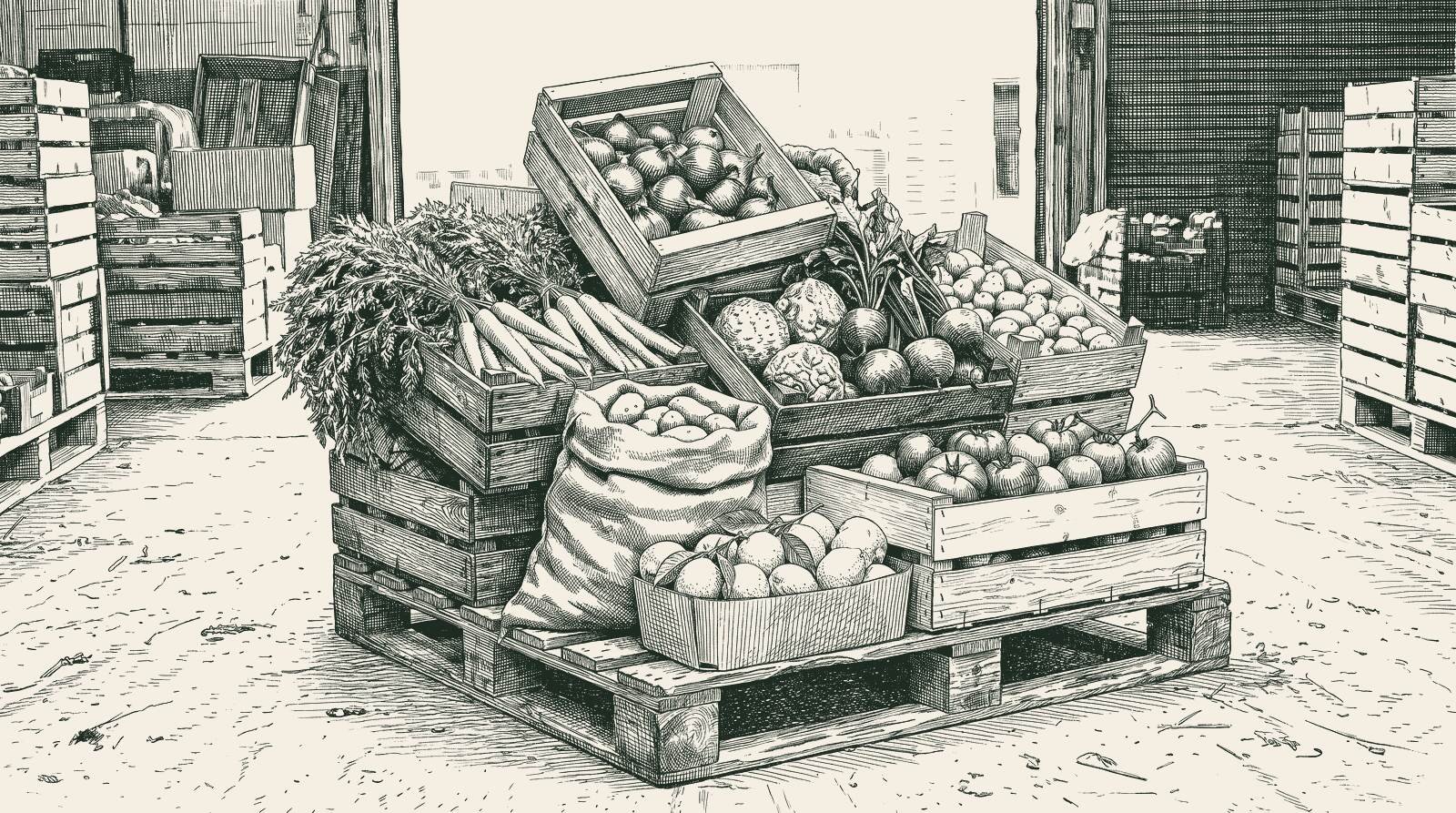
A read from the market floor before the week starts — and this week the story is who grows your food. DEFRA's 2025 figures put British self-sufficiency at 56% for veg and just 14% for fruit, with water security the key constraint after the dry summer. That split is why an October order divides cleanly: the winter salad veg Britain barely grows is turning Spanish, with Almería's greenhouse tomatoes at a ten-year price high — while the home-grown lines at their peak, English apples and pears, squash and winter roots, are the value and hold. Here's how we'd buy it.
Region watch
United Kingdom
Direction: Steadyhome-grown fruit & veg (self-sufficiency)
DEFRA's 2025 horticulture figures put UK self-sufficiency at 56% for veg (up from 54%) but just 14% for fruit, after a dry summer that made water security the season's key constraint. For winter menus the read is simple: lean on the home-grown veg and top fruit Britain does supply, and expect the rest to be imported.
England (orchards)
Direction: Plentifulapples & pears
The home-grown exception to that 14% fruit figure: British Apples & Pears puts the 2026 crop around its five-year average with eating quality among the best in years, sugar and colour built by the hot summer, and dependable supply into 2027. Lead on Cox, Gala and Conference now — home-grown, at peak, and the value.
Almería, Spain
Direction: Dearerglasshouse tomatoes & winter salad veg
The greenhouse belt that fills UK winter shelves is dear at source: Andalusian government data (HortiDaily, 3 Sept) puts Almería and Granada's 2025/26 tomatoes at an average €1.15/kg — a ten-year high, with cherry types dearest at €1.86.
United Kingdom (weather)
Direction: Steadystorage crops — squash, roots, apples
The Met Office (17 Sept) keeps temperatures above average into mid-October, dry for much of the UK before more changeable, wetter weather works in from the west through the month. It suits the store: squash, roots and apples off the hot, dry summer are carrying more sugar and holding well — worth building menus around.
As of week of 17 Sept outlook
Source: metoffice.gov.uk, on storage crops — squash, roots, apples (opens in a new tab)
In season now
- English apples (Cox, Gala, Braeburn)
- Conference & Williams pears
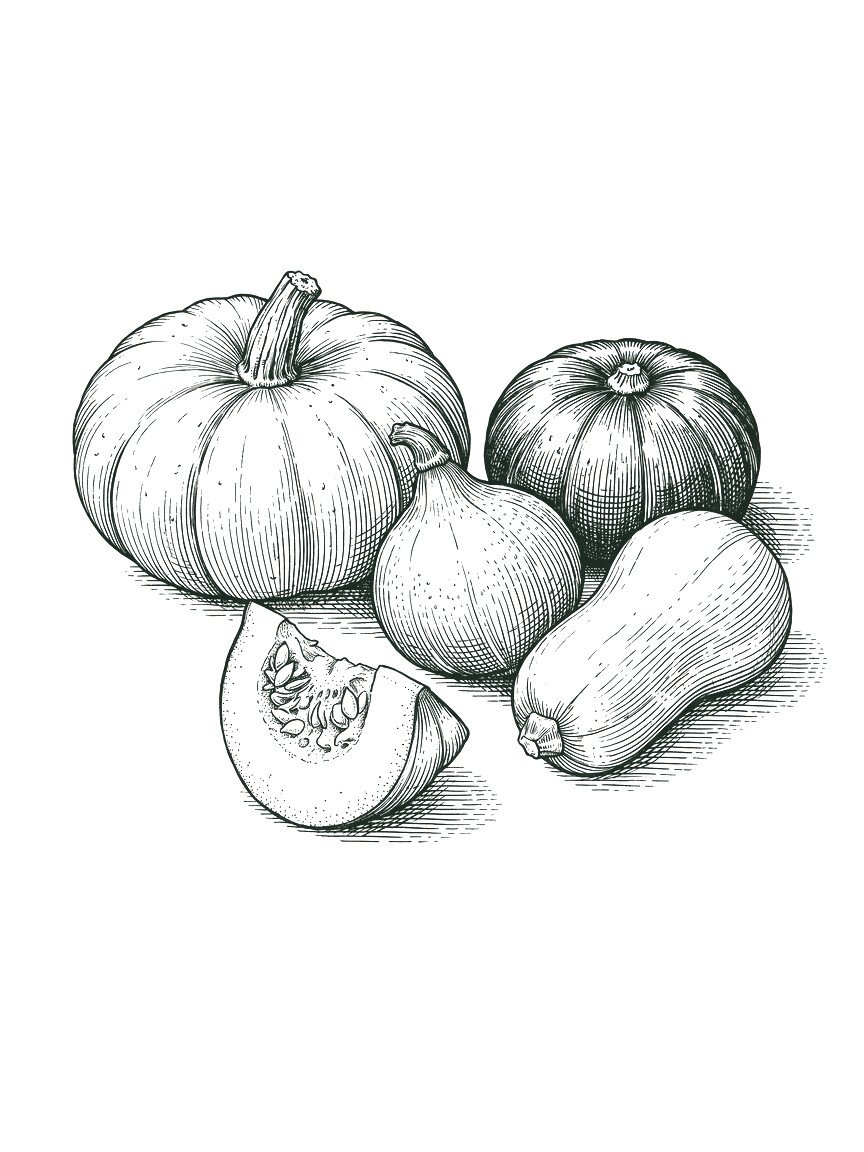
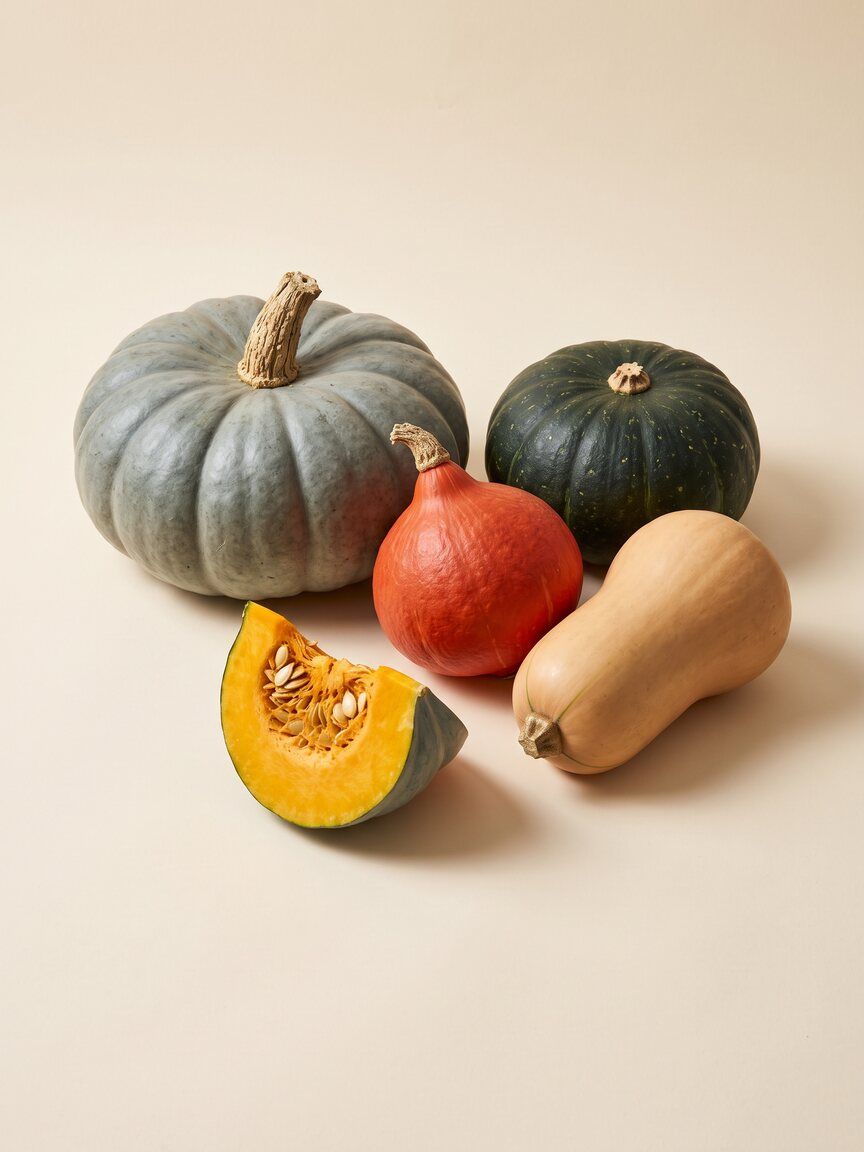
- Autumn squash & pumpkins
- Celeriac, chervil root & Jerusalem artichokes
- Romanesco, cauliflower & the first Brussels sprouts
- Wild mushrooms (girolles, ceps, trompette)
- Quince
- New-season roots (beetroot, carrot, parsnip)
- Kentish cobnuts & wet walnuts
- New-season citrus (Miyagawa clementines, leafy lemons)
- Figs (Turkish, French & Italian)
- Pomegranates
On the way out
- Late English plums & damsons (finishing)
- Sweetcorn (kernel fill patchy)
- Summer courgettes (yields weakening)
- The last runner beans
- English glasshouse tomatoes (light dropping)
In the kitchen
Quince
Raw quince is hard and astringent — it's a cooked fruit. Peel and poach slices slowly in sweetened water with a strip of lemon until they turn deep rose, or grate into an apple pie for perfume. For membrillo, cook the pulp down hard with sugar until it sets to a slice-able paste for the cheese board.
Celeriac
Don't boil celeriac to water — it wants dry heat or a raw crunch. Peel thickly, cut into wedges and roast hard with thyme until caramelised, or mash it with potato and plenty of butter. Raw, cut it into fine matchsticks for a remoulade with mustard and lemon. The peelings and trimmings make a deep, clean stock.
Romanesco
Treat Romanesco better than plain cauliflower — those spiralled florets char beautifully. Break into large pieces, toss in oil and roast hot until the tips blacken and the stems stay nutty, or blanch briefly and dress warm with anchovy, garlic and chilli. Steam it whole and it turns drab; keep the heat high and dry.
Worth buying
- English apples & pears — five-year-average crop, top eating quality
- Autumn squash & pumpkins — full range, store for weeks
- Celeriac & winter roots — peak, hold well
- Wild mushrooms (girolles, ceps, trompette — peak flush)
- Quince (short window — membrillo and roasting)
Hold off
- Glasshouse tomatoes & peppers (Spanish belt tight and dear — flex spec)
- Sweetcorn — kernel fill patchy after the dry summer
- Late plums & damsons — past their preserving best
- Summer courgettes — end of run, weak yields