Seasonal
Winter seasonal menu: what a London kitchen buys now
By Franco Cardona
From the first late radicchio to the last of the wild mushrooms: the produce a London kitchen can build a winter menu on, when each line is at its best, and how to order it so the dish holds through the season.

In this guide7 sections
A winter seasonal menu for a London restaurant is written in November and cooked through to March, so the lines on it need to last the season as well as taste of it. This guide follows the order in which winter produce reaches New Covent Garden Market, where Giuseppe and Franco walk the stands through the night and choose by eye, and it notes where a line peaks, where it runs short, and what to ask for when you order.
The full year is mapped in our British seasonal produce calendar for restaurants; this piece is the working detail for the winter months, written for the kitchen deciding what goes on the card now.
Writing a winter seasonal menu that holds until spring
A winter menu earns its keep when its main lines arrive in good order from the first week to the last. Three kinds of produce make that possible.
- Lines with a long season: celeriac, leeks, cavolo nero, Jerusalem artichokes and the winter roots run from late autumn into February, so a dish built on them can stay on the card.
- Lines with a short, defined peak: the late radicchio, puntarelle, blood oranges and bergamot arrive for a few weeks and are worth a special or a course of their own while they last.
- Lines that bridge the gap: chestnuts, winter squash, quince and the orchard fruit carry a dish from the end of autumn into the cold months.
Plan the backbone of the menu on the first group and let the second rotate through it. A kitchen that does this changes a garnish or a special when a short-season line ends, and leaves the dish itself alone.
Bitter leaves carry the winter menu
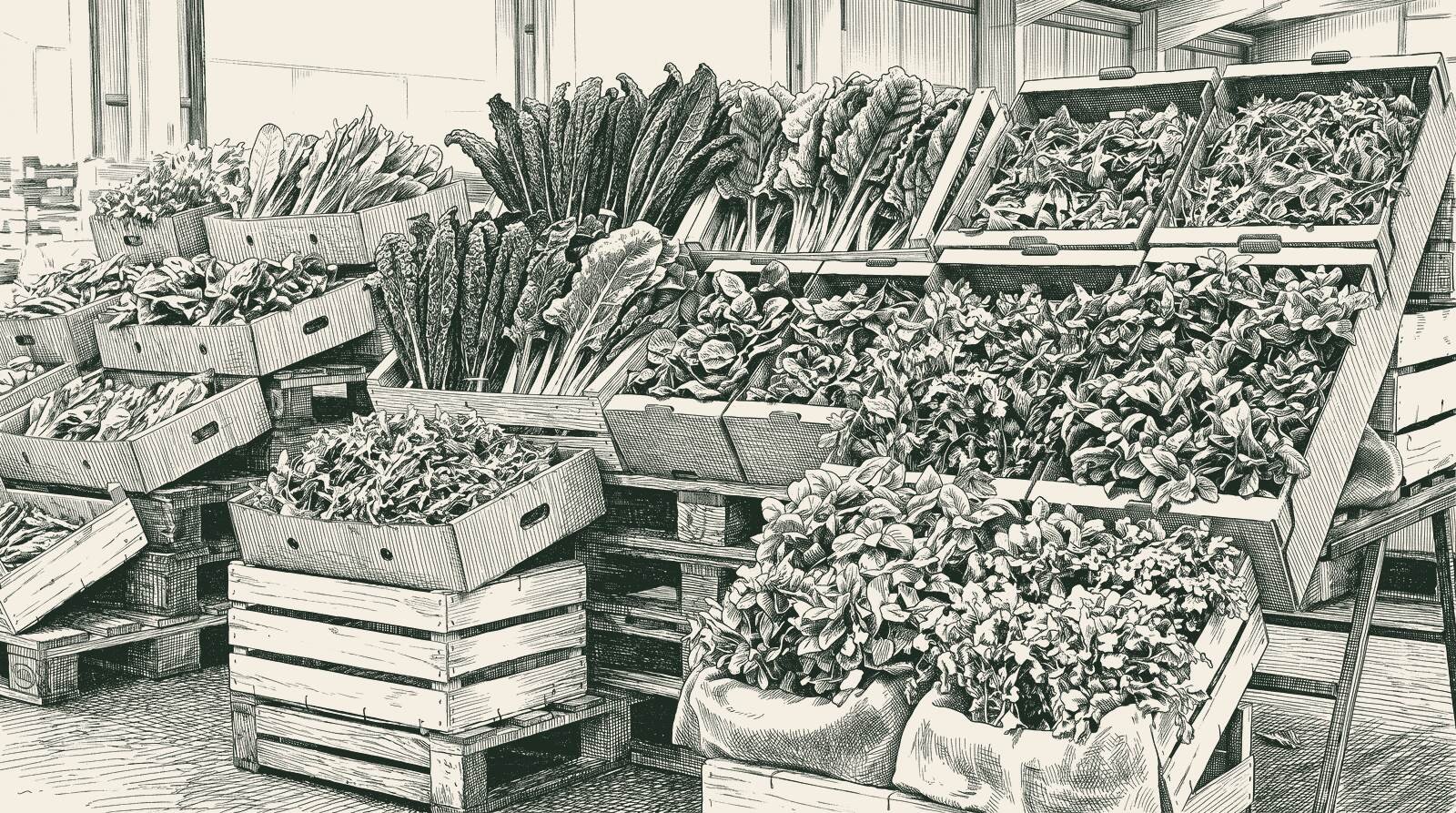
The Radicchio Rosso di Treviso tardivo is the line we would write onto a winter menu first. It is the late radicchio, with long white ribs and curling crimson leaves, and it reaches the market in November after blanching in spring water, which is what gives it its colour and its crunch. Our Market Note for the week of 8 November led on its arrival.
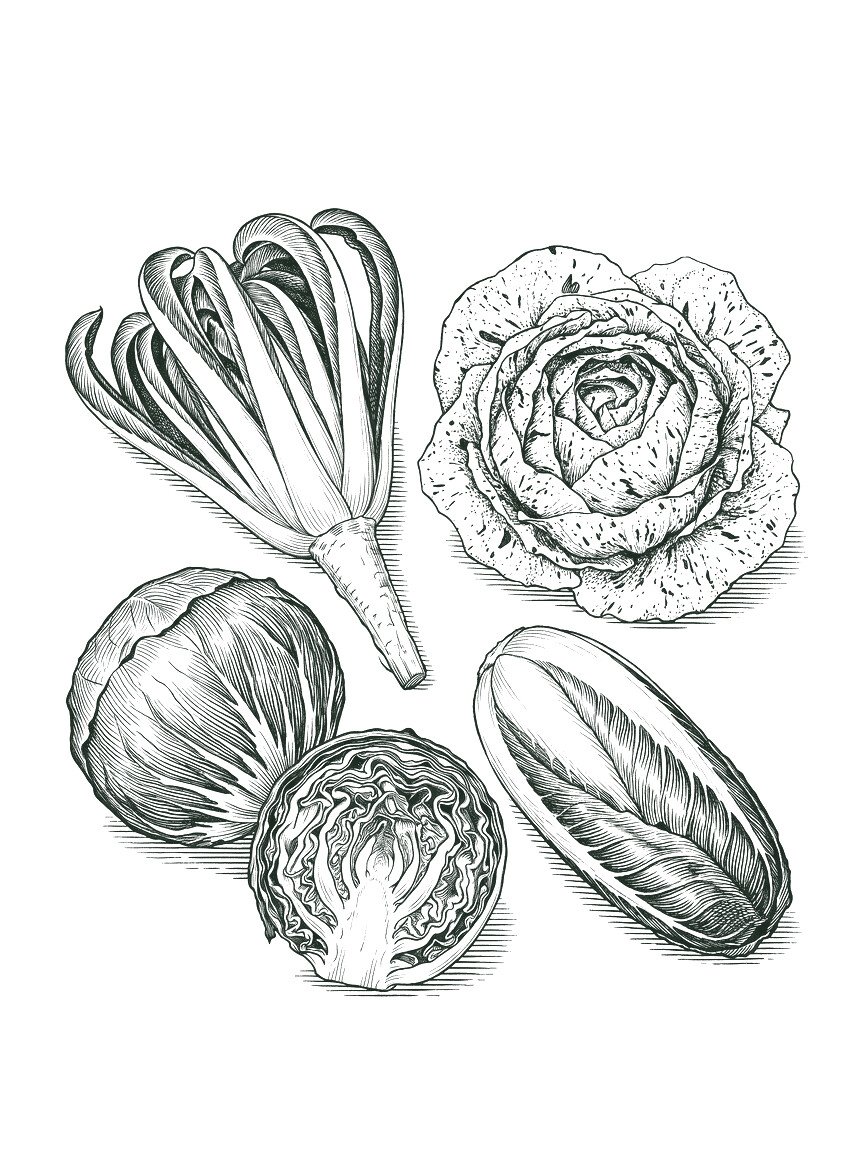
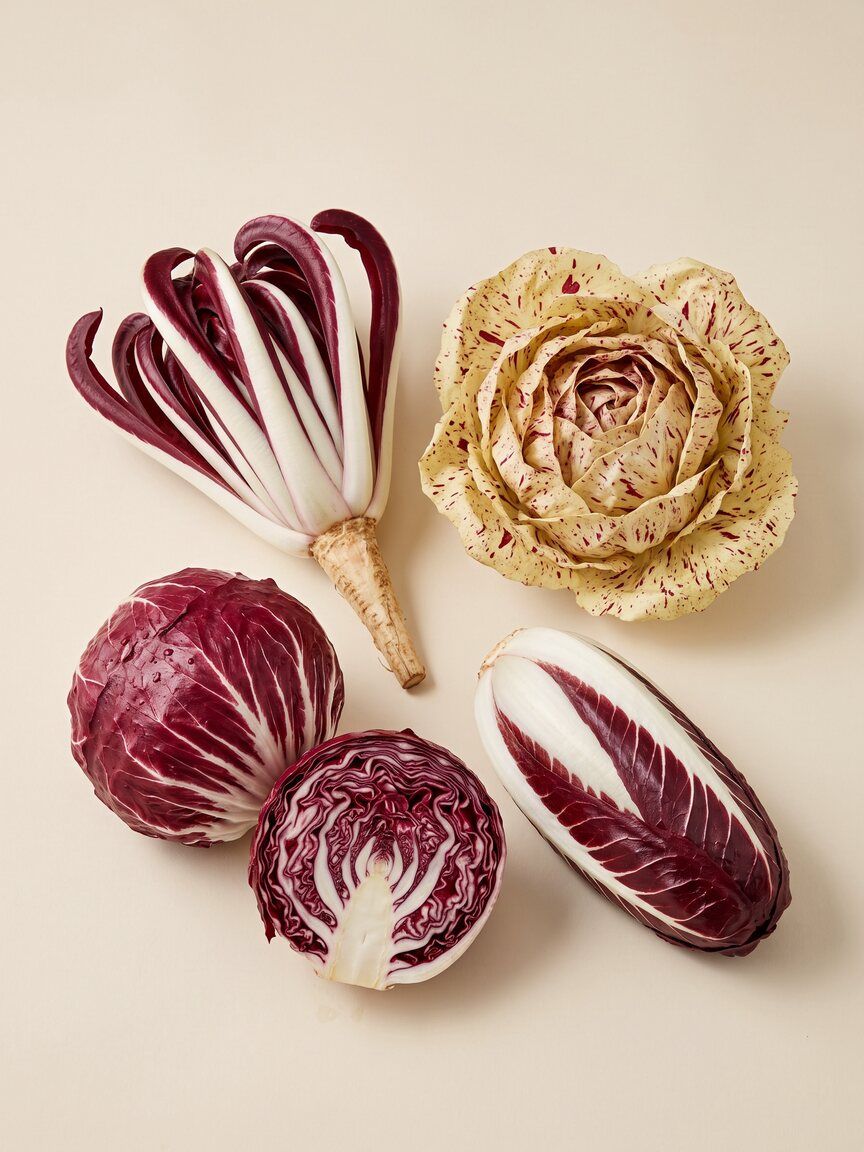
Tardivo is at its best raw in a salad with a sharp dressing, grilled until the leaves just char, or stirred through a risotto at the last moment.
Puntarelle follows close behind it: the shoots of a Roman chicory, cut into fine strips and dressed with anchovy, garlic and lemon. Chicory and the other radicchio varieties run through to the end of winter and give the menu its bitterness when the roots and braises want something to cut through them.
When you order the bitter leaves, say how they will be used. A salad wants tight, heavy heads with clean ribs; a grill or a braise can take a looser head. We source these Italian lines alongside our Italian produce for London restaurants, so a kitchen can order them with its cheeses and dry goods on one account.
Roots and brassicas for the main course
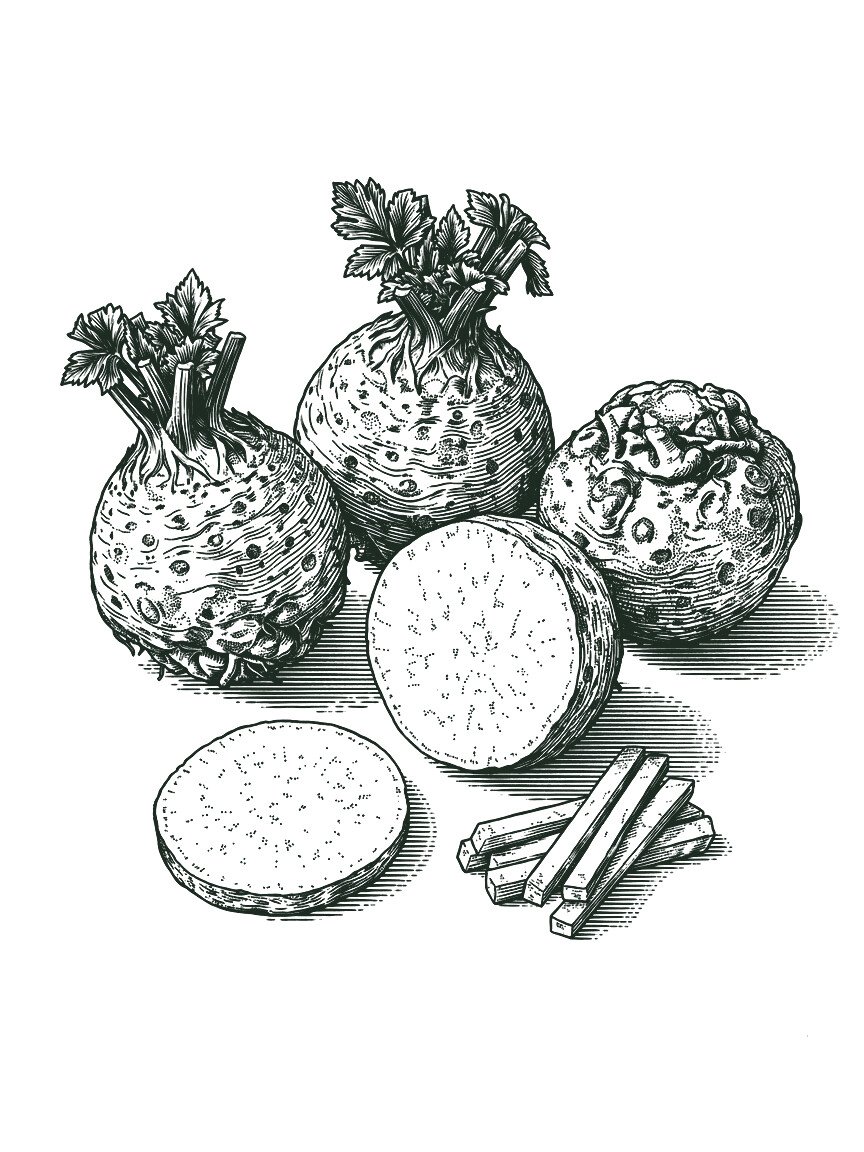
The roots and brassicas are the long-season backbone. Celeriac, heritage beetroot, salsify, scorzonera, Jerusalem artichokes and the winter roots all store well and improve after the first frosts, and they take a purée, a roast or a slow braise equally well.
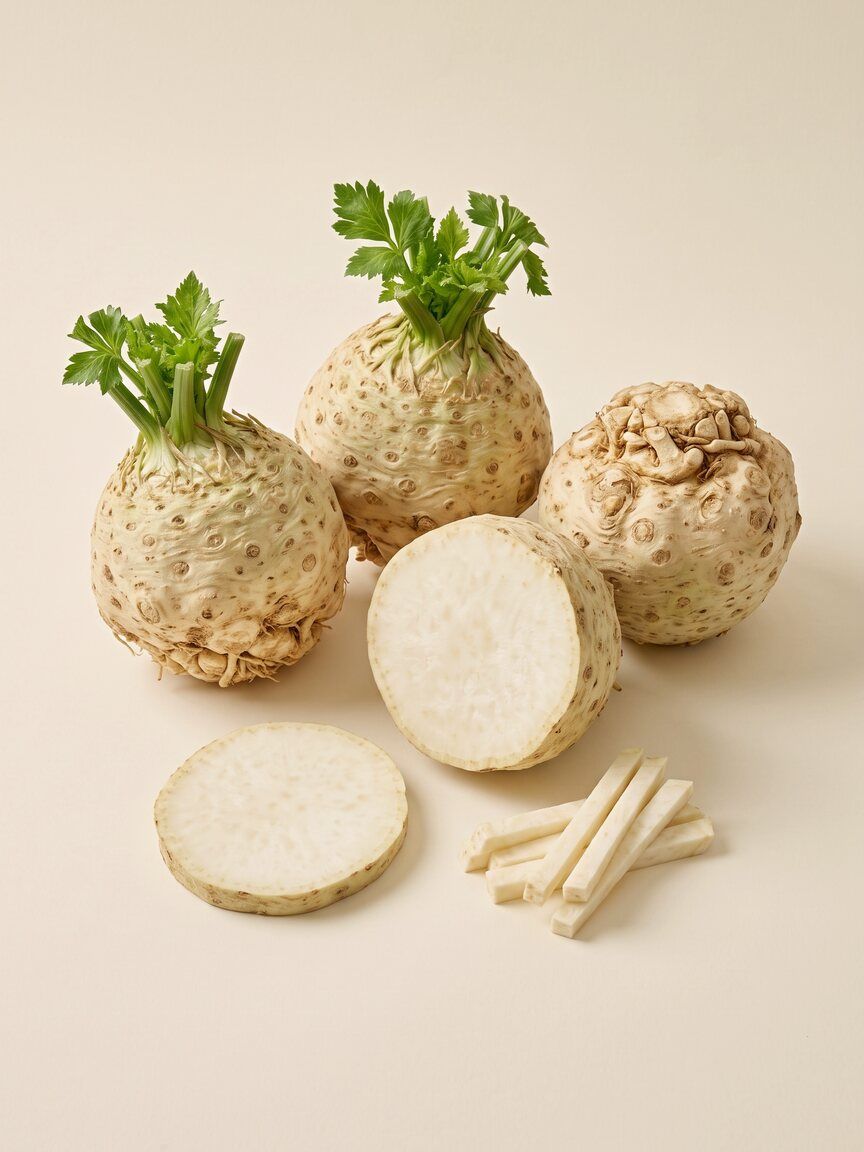
Cavolo nero and kale are at their best from November once the cold has sweetened the leaf. Brussels sprouts, romanesco and the winter cabbages fill the side dishes and the staff meal, and leeks run all season long.
For a menu that repeats a dish nightly, spec the size and grade as well as the line. A celeriac for a purée can be any size; a celeriac roasted whole for a sharing course needs heads of one size, so that every plate cooks to the same time. The detail of writing a spec a supplier can follow is in our guide to how to spec fruit and veg.
All of these sit in our everyday range of wholesale vegetables, chosen on the stands overnight and delivered before service.
Mushrooms, while the season allows
The wild mushrooms run into the early winter and then thin out, so a mushroom dish on a winter menu needs a plan for the weeks when the wild supply is short. Write the dish so it can move between wild and cultivated varieties without changing its character: a mix of chestnut, oyster and king oyster carries a ragù or a risotto when the wild lines are scarce, and dried porcini add depth all year.
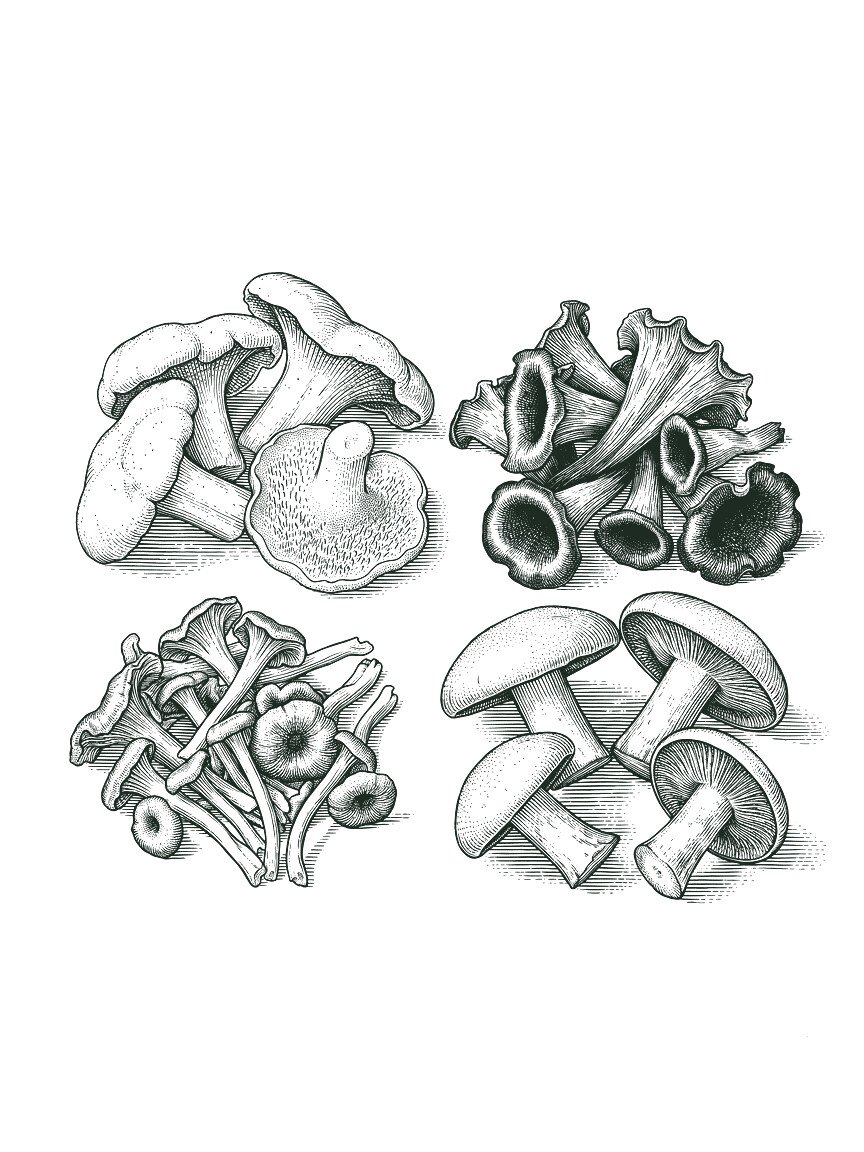
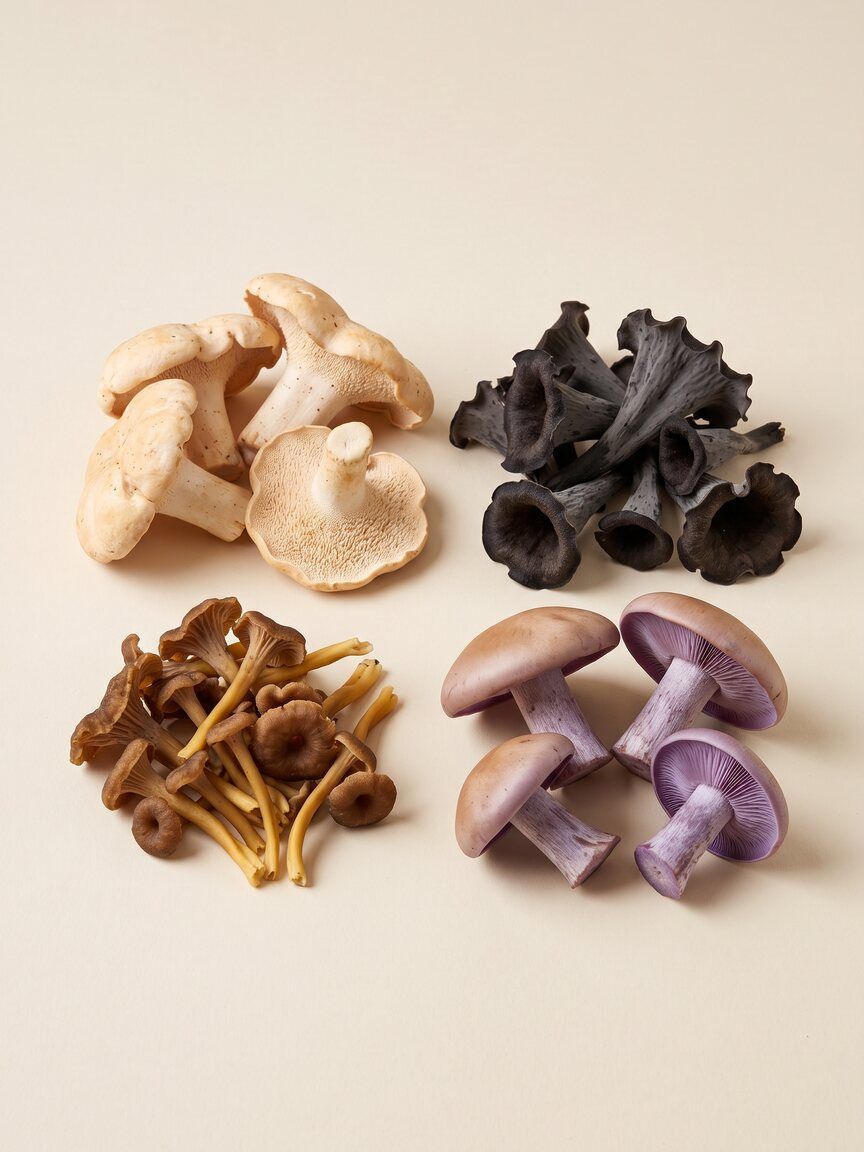
Tell us which varieties the dish depends on and which it can do without. When a wild line is short on the stands, you will hear it from us before the van is loaded, with the nearest alternative that suits the dish. Our wholesale mushroom supply covers the cultivated varieties year round and the wild ones when the season allows.
Citrus and orchard fruit for the pass
Winter is the citrus season. Clementines arrive in November, bergamot is short and particular, and blood oranges come in from December through to March. Each gives a dessert, a dressing or a cured fish a brightness the rest of the winter menu lacks.
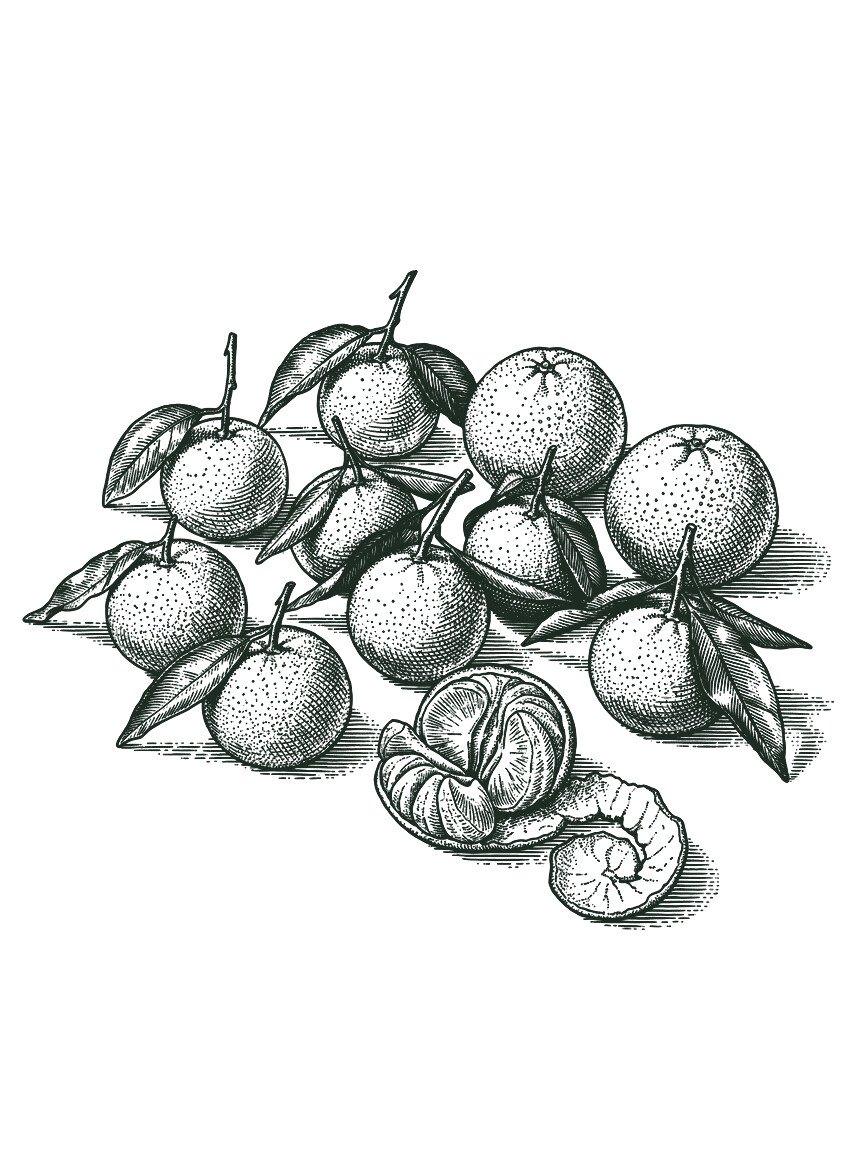
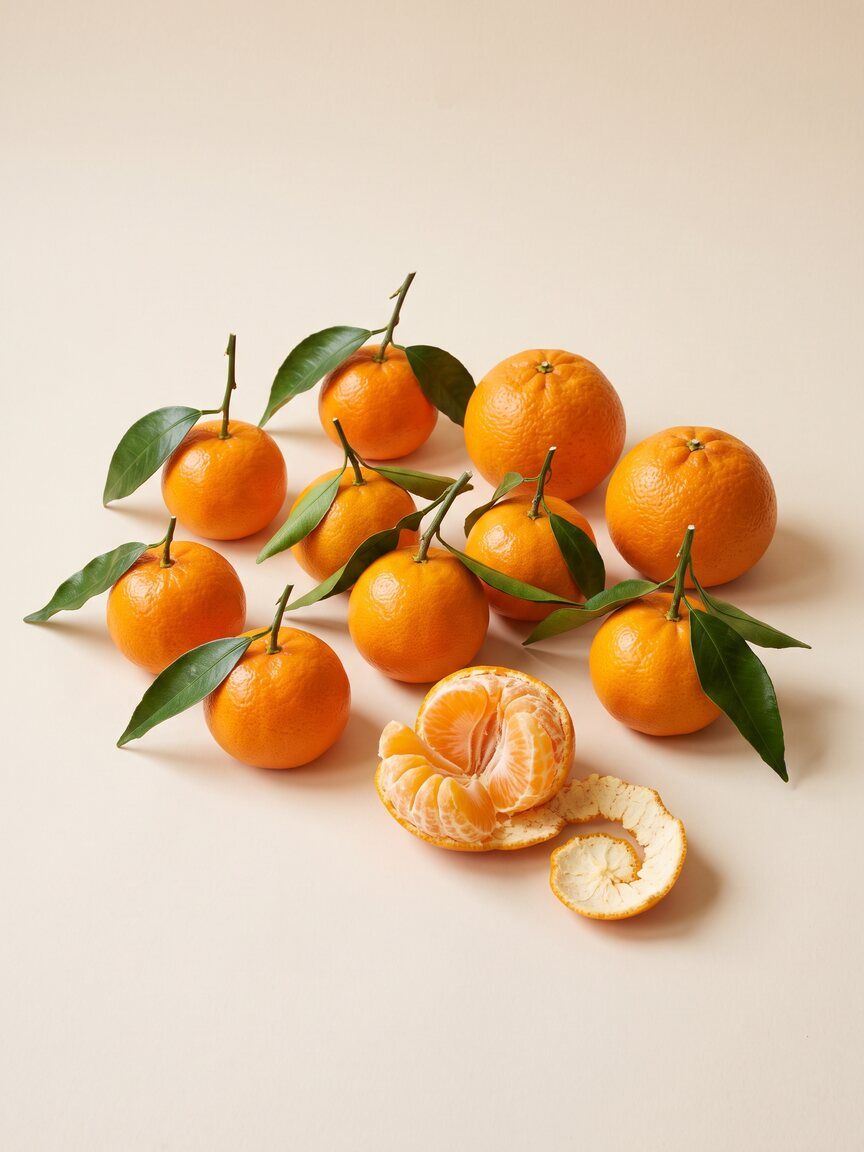
English apples and winter pears are at their best through the cold months, and quince, persimmons and pomegranates fill the gap between autumn and the first citrus. Quince needs long, slow cooking and rewards it.
Chestnuts are worth a word this year. Coldiretti puts Italy's 2026 crop about a quarter down after the summer heat, with good quality expected, so a kitchen that wants chestnuts for a Christmas menu, a stuffing, a soup or a Mont Blanc should book them early.
Ordering for the turn of the season
Winter produce moves with the weather, so the order works best as a conversation that runs the whole season. A few habits keep a winter menu steady.
Give notice of a new dish a week ahead, with the volume you expect, so the line can be followed on the stands before the first order. Name the variety when it matters: Treviso tardivo and the precoce are different leaves, and a dish written for one will not suit the other. Expect the short-season lines to end on their own schedule, and keep a second dish ready to take the place of the first.
Orders go in by midnight by phone, WhatsApp or email, and arrive before service, Monday to Saturday, on the mornings your area's round runs. If you are writing a winter menu now and want to talk through which lines will hold, new customers start with Franco, who looks after the account.
The winter order, line by line
- Treviso tardivo and puntarelle: tight heads, clean ribs, say salad or grill
- Celeriac and the winter roots: one size for whole roasting, any size for purée
- Cavolo nero and kale: from November, once the cold has come
- Wild mushrooms: name the dish's cultivated alternative now
- Clementines, bergamot and blood oranges: book the short seasons in advance
- Chestnuts: book early this year, the Italian crop is down