Buying guide
How to open a trade account with a fruit and veg supplier
By Franco Cardona
What happens between the first call and the first delivery: what to send us, how quickly you will hear back, how the quote is built from your order lists, and how the first week of deliveries runs.

In this guide7 sections
Kitchens tend to work out how to open a trade account with a fruit and veg supplier in the weeks before a menu changes, and late November is one of those weeks: the December card is being written, and the Christmas lines want booking. This guide sets out how an account with Ortaggi is opened, from the first enquiry to the first delivery, and what a kitchen can send to make the first order right. It is written for the head chef, owner or buyer doing it between services.
The questions to put to any supplier before you commit are in our checklist of questions to ask a wholesale produce supplier. This piece picks up once you have decided to talk, and covers what happens next.
The steps to open a trade account with a fruit and veg supplier
An account with Ortaggi opens in four steps, and the kitchen sets the pace of each.
- The first enquiry. Call, WhatsApp or email the office, or send the enquiry form on our contact page. A web enquiry is answered within 24 hours.
- The conversation. New customers start with Franco, who looks after the account from then on. Franco visits kitchens across London, so do say if you would rather talk the lists through in the kitchen.
- The quote. Send your order lists, and a quote follows within 48 hours of receiving them.
- The first delivery. Once the account is set up, the first order is booked for a morning your area's round runs.
Ortaggi supplies trade kitchens: restaurants, hotels, caterers, cafés, pubs, delis, schools and care homes among them. An account is opened for a business, and we do not deliver to households.
There is no minimum contract and no tie-in. A kitchen orders what each week needs, and stays because the produce and the service are right.
What to put on your order lists
The quote is built from the lists, so they are worth an hour of a quiet afternoon. A useful list is a usual week's order, written line by line in the way you order it today: a case count, how many in a box, or a weight.

Beside each line, add what a buyer on the market needs to choose it well.
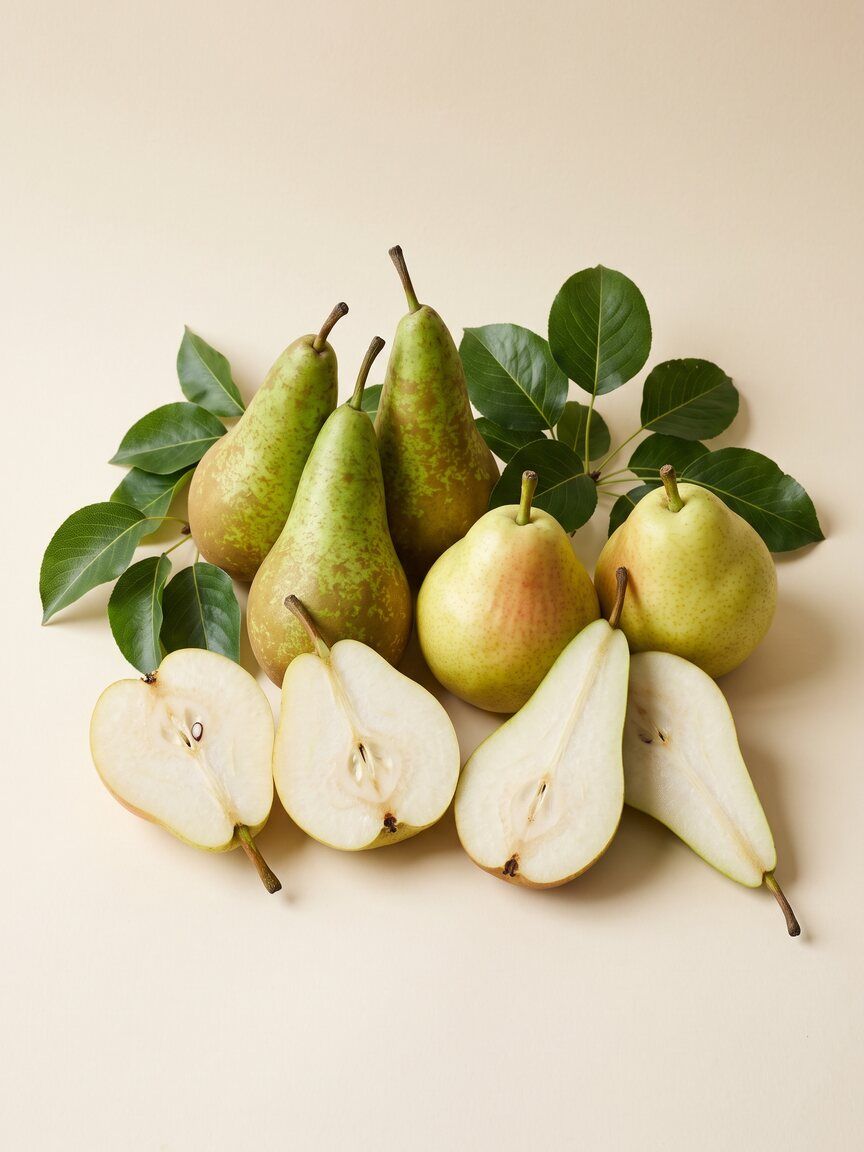
- The variety, where the dish depends on it. A sauce tomato and a heritage tomato for a raw plate are different purchases, and so are a floury potato for mash and a waxy one for a salad.
- The size and the grade. A celeriac for purée can be any size; one roasted whole for a sharing course needs heads of one size, so that every plate cooks in the time the recipe allows.
- Which lines hold all year and which move with the season. The staples sit on the order week in, week out; the seasonal lines come and go, and knowing which is which lets us follow the second group on the stands.
Include the whole order, beyond the fresh produce. Ortaggi's range runs from the kitchen staples, onions, potatoes, garlic and lemons, through fresh produce, herbs and leaves, mushrooms, citrus and stone fruit, to dairy, dry goods and provisions, and frozen. One account can carry all of it. Anything not listed, we will gladly source.
If your current lists are a set of supplier invoices, send those. A clear picture of a usual week is what the quote needs, in whatever form the kitchen already keeps it.
Telling us about the kitchen and its deliveries
The second half of the enquiry is about the door the order arrives at. Four details shape how the first deliveries run.
The address and postcode. Rounds leave New Covent Garden Market Monday to Saturday, and a kitchen is delivered on the mornings its area's round runs. The rounds cover central, inner and Greater London, the West End among it, and the South East: Kent as far as Maidstone, Surrey, Sussex and Essex. Give us the postcode early and we will tell you which mornings serve it.
The hours the door is open. Orders arrive before service. Say when the kitchen can first receive, and where a delivery should go if the team is mid-prep: the cold room, a particular shelf, the back door off the yard.
The days you need produce. A kitchen open five days and a hotel serving breakfast through the weekend will order differently. Tell us the days you serve and the days you would like a delivery, and we will match them to the rounds.
Who will place the orders. Orders go in by midnight by phone, WhatsApp or email. Say who will order and which of the three suits the way the kitchen closes down at night.
Orders are packed at our own premises, 36–37 The Arches on the market, and kept chilled from our arches to your kitchen door in temperature-controlled vans.
The lines your menu depends on
Every menu has a few lines it cannot do without, and it is worth naming them on the first enquiry. Giuseppe and Franco walk the stands at New Covent Garden Market from about half past midnight on the Sunday-to-Friday night shifts and choose by eye, so a line named on the list is one they look for on the stands.
Mark two things beside each of those lines: what the dish needs from it, and what it could take instead if the stands come up short. A tasting menu may depend on one particular variety; a trattoria may need its burrata, ricotta and heritage tomatoes to be right before anything else. An Italian kitchen can order those with its figs, artichokes and dry goods through our Italian produce for London kitchens, on the one account.
When a line falls short overnight, you will hear it from us first, before the van is loaded, with the nearest alternative that suits the dish. Knowing in advance which lines can move makes that call quick.
The first week of deliveries
The first order is booked for a morning your area's round runs, once the account is set up. Delivery on the morning after an order is for established accounts, on the days your area's round runs, so give the first order a little notice and plan the week around the round.
A kitchen judges us on its first deliveries, and it should. Check each one against the lists as it comes in: the count, the variety, the size and grade, and how cold it is on arrival. Tell us that morning if anything was wrong, by phone, WhatsApp or email, so it is put right on the next round and noted for the orders after it. The first fortnight is when a kitchen and its buyers learn each other's standards, and the more a chef says in those weeks, the sooner the order runs on its own.
If you are moving an existing order across, rather than starting a new kitchen, the way to run the change without disturbing service is set out in how to switch wholesale produce supplier without disrupting service.
Opening an account ahead of the December menu
An account opened in the second half of November is delivering by the time the December card goes on, which makes now a good moment to send the lists.
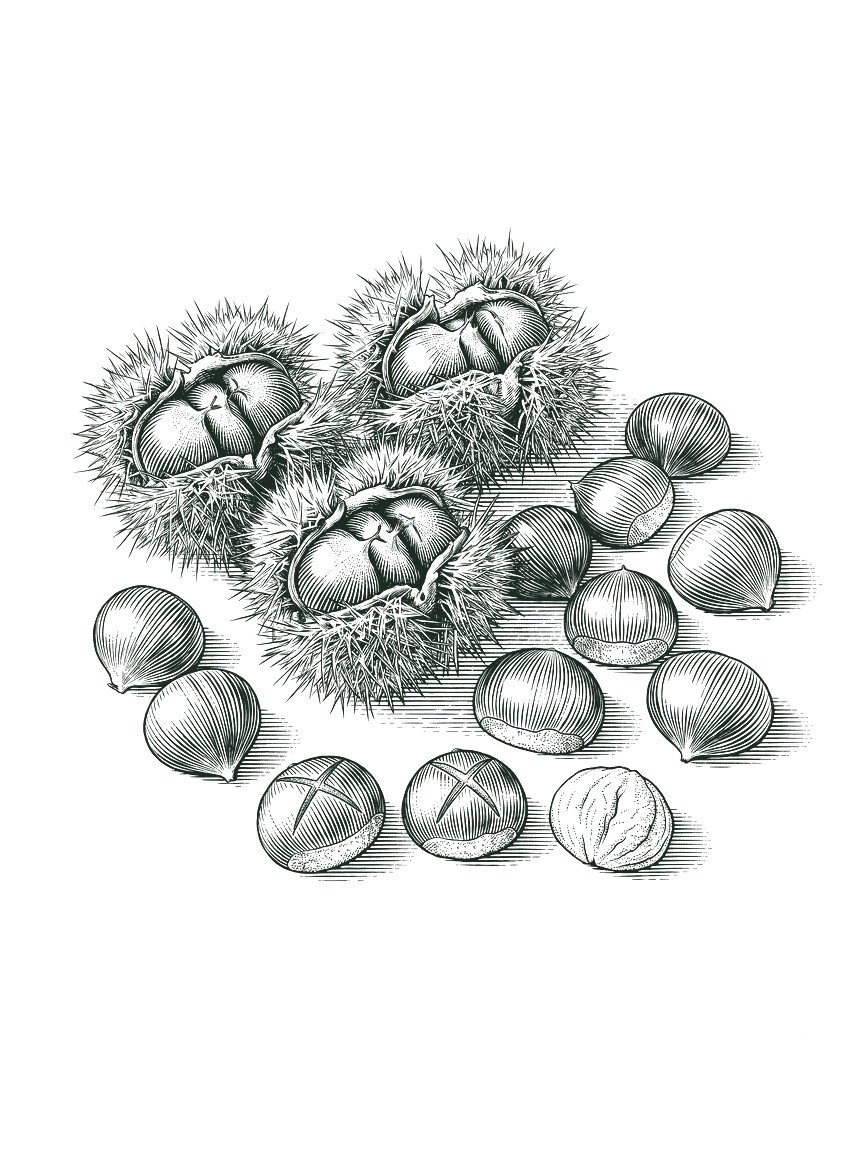
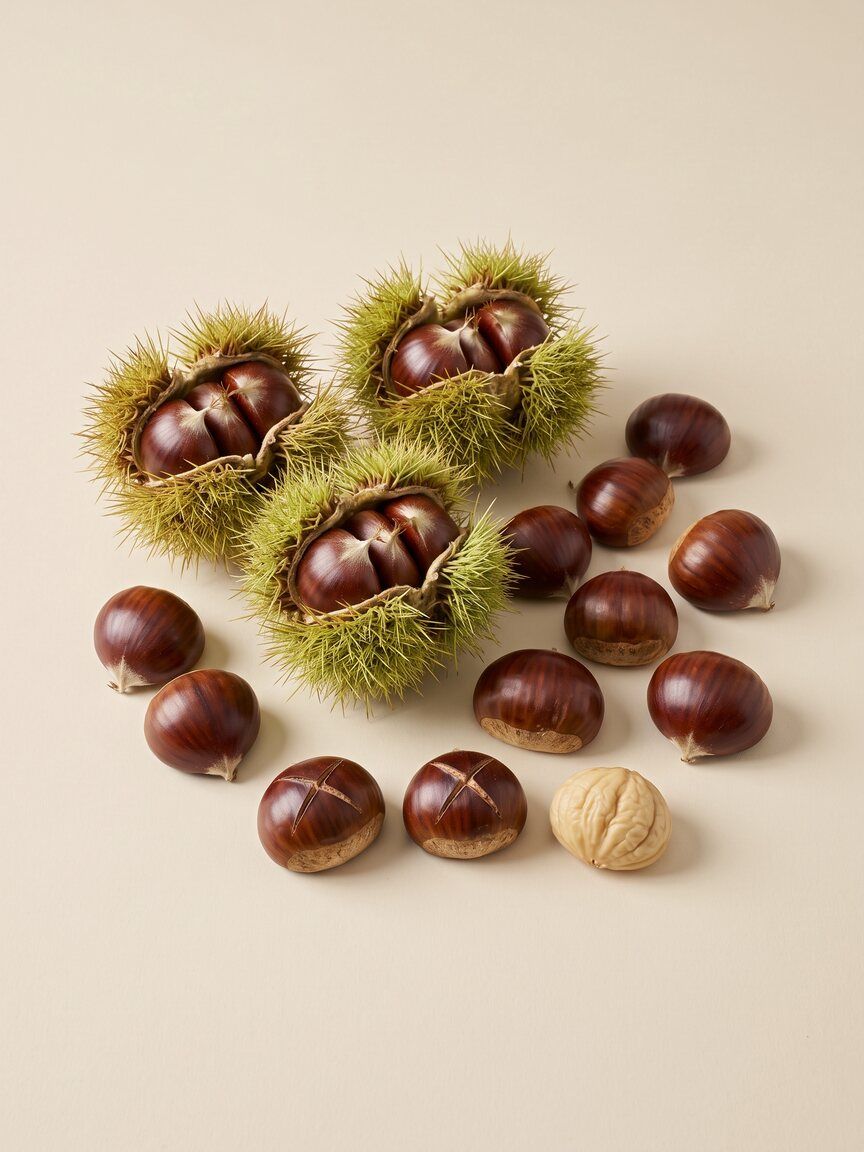
December is the peak for Brussels sprouts, parsnips, red cabbage, celeriac and swede, the backbone of a winter main course and a Christmas lunch. Clementines and pomegranates are at their best, chestnuts are in for stuffings, soups and desserts, and the blood oranges and Seville oranges arrive as the month goes on, with the first Yorkshire forced rhubarb close behind at the turn of the year. Kale, cavolo nero, leeks, quince and the last of the wild mushrooms are still on the stands, at the tail of their season.
Put the Christmas lines on the first order lists with the dates and the covers already in the book. A private dining room booked out for the week before Christmas, or a run of parties on consecutive evenings, is the kind of detail that lets the volume be followed on the stands before it is needed.
What to send with your first enquiry
- The kitchen's name, address and postcode
- The hours the door is open for deliveries
- The days of the week you need produce
- A usual week's order, line by line, with quantities
- Variety, size and grade where the dish depends on them
- The lines that cannot be swapped, and those that can
- Who will place the orders, and by phone, WhatsApp or email
- Any December dates and covers already in the book